How to Choose a Local-Led Barcelona Tour That Fits Your Visit
Choosing among tours by locals barcelona is less about finding the biggest name and more about matching the route, pace, and style to the way you want to see the city. Barcelona rewards slow attention. A narrow lane in El Born can say as much as a famous monument, and a short stop at a market can reveal more about daily life than a packed schedule of landmarks. Start with the kind of day you want, then work outward to the guide, route, group size, and practical details.
Start with the experience you want
Before comparing options, decide what "local" should mean for your visit. Some routes focus on architectural heritage, with explanations of Catalan modernisme, medieval streets, and the way different districts grew. Others lean toward food markets, neighborhood shops, and the small rituals of eating and shopping in the city. There are also walking routes built around cultural anecdotes, where the story behind a square or doorway matters more than the monument itself.
Write down two or three priorities. You might want a first look at the main sights, a quieter walk through residential streets, or a themed route through a single district. This helps you avoid a tour that sounds good in general but spends most of its time on things you already know. If your priority is authentic experiences, look for an itinerary that leaves room for observation rather than constant narration. A good local-led route often gives people space to notice details, ask questions, and pause.
Also consider the first-time visitor trap. Many people book a route that tries to cover everything, then spend the day rushing between photo stops. Barcelona is dense, but it is not best understood at speed. A focused walk with clear context usually feels richer than a long list of sites.
Check what the route actually covers
Read the itinerary as a practical plan, not as advertising copy. Look for named areas, landmarks, and themes. If a route mentions El Born, check whether it simply passes through or gives enough time to understand the district. If it mentions food markets, see whether the stop is a quick look or a chance to learn how locals choose produce, snacks, or ingredients. If a description relies on vague phrases such as "hidden gems" without saying where or why they matter, treat that as a weak signal.
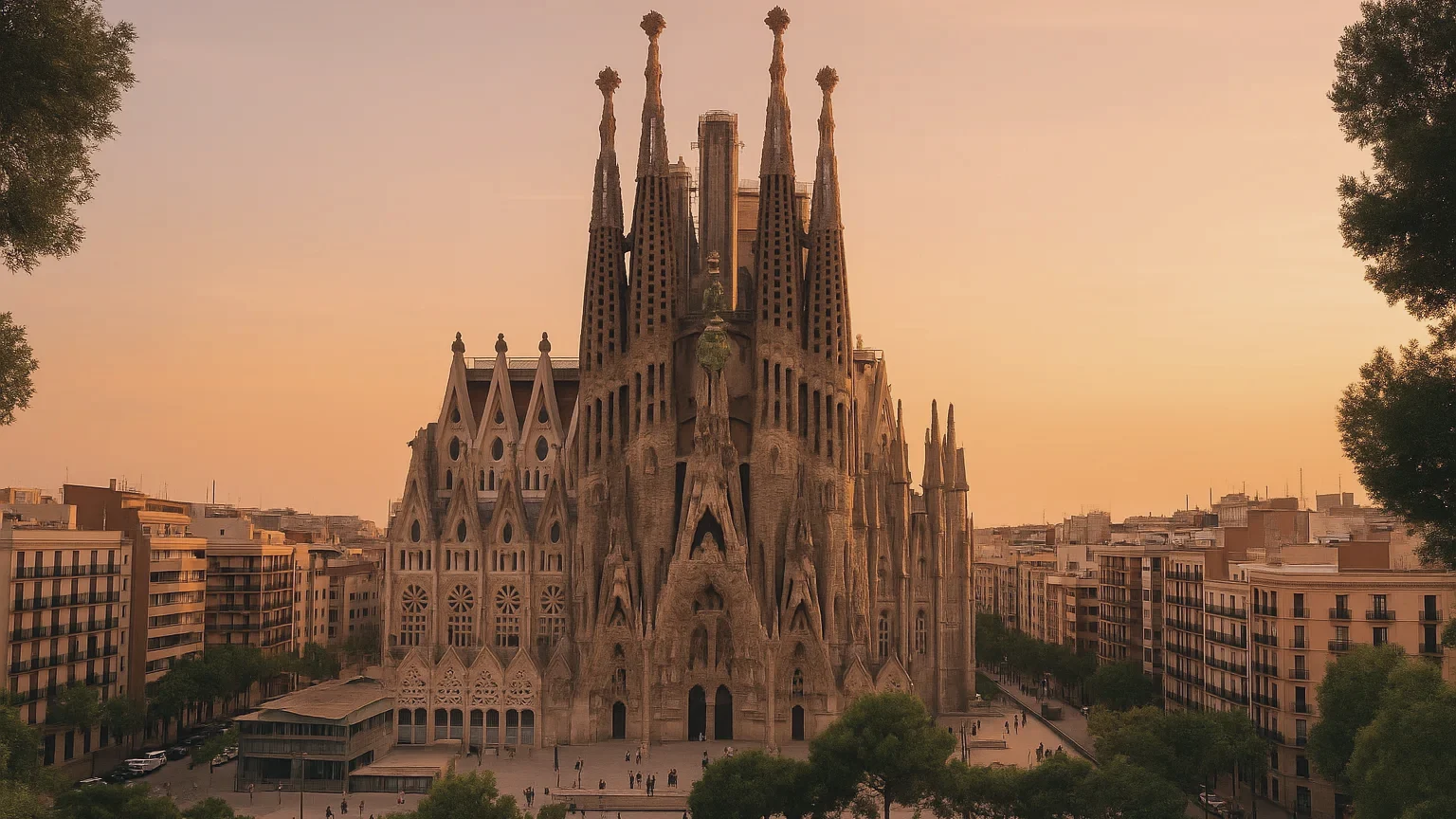
Watch for walking distance and terrain. Barcelona includes slopes, uneven paving, busy crossings, and crowded historic streets. A route that looks short on a map can feel longer in heat or heavy foot traffic. Check whether there are rests, whether the pace is described, and whether the meeting and ending points make sense for your day. If you are continuing to another neighborhood afterward, an endpoint near transport or a familiar area can save a lot of friction.
Timing matters too. Morning routes tend to feel calmer in popular districts, while later routes may suit people who want a different atmosphere. Market-focused tours depend on opening patterns, so the exact day can shape what is visible. Architectural routes can work at many hours, but midday light and crowds can change how comfortable it is to stop and listen. Match the schedule to your energy level, not only to what looks available.
Look closely at the guide's style
The value of tours by locals barcelona often sits in the guide's ability to connect place and story. Look for signs that the route is shaped by someone who understands the city beyond a script. A strong description gives concrete themes: how a neighborhood changed, why a building matters, what a market stall suggests about local habits, or how a street fits into the wider city. That kind of detail tends to produce better local insights than broad claims about authenticity.
Consider how much interaction you want. Some travelers enjoy a conversational walk with frequent questions. Others prefer a clear narrative with only a short question period. Both can work, but the mismatch is obvious quickly. If you are traveling with children, older relatives, or a group with mixed interests, check whether the pace and depth are flexible enough. A route built around long standing explanations may not suit everyone.
Language is another practical point. Confirm the language of the tour and what happens when questions come up in another language. Clear communication affects more than enjoyment. It shapes whether you understand safety notes, meeting instructions, and the context behind cultural anecdotes.
Compare group size and attention level
Group size changes the feel of a tour. A smaller group makes it easier to hear, ask questions, and stop without feeling rushed. A larger group can still work well in open areas, but it can become awkward in narrow streets, busy markets, or crowded viewpoints. If the route includes food stops or small shops, a smaller group is usually easier to manage.
Check how the meeting point is described. A precise meeting point reduces stress, especially in a city where several plazas and streets can sound similar. A good instruction explains what to look for without relying on insider knowledge. Also check what happens if you arrive a little late or need to leave early. Clear boundaries help everyone plan.
When comparing a private option with a shared one, think about control. A private format can suit a family, a couple, or a group with specific interests because the pace and questions can be shaped around the group. A shared route may offer a livelier exchange and a lower sense of formality. Neither is automatically better. The right choice depends on whether you value privacy, spontaneity, or a broader social atmosphere.

Some visitors use a site name such as privatetourinbarcelona.com as a starting point for comparing options, then look closely at the itinerary itself. That is a sensible order. The name is only the doorway, while the route, clarity, and fit decide whether the day works.
Read reviews for patterns, not praise
Reviews are useful when you read them for repeated details rather than glowing adjectives. Look for comments about pacing, clarity, route balance, and how the guide handled questions. Repeated mentions of too much time in one place or too little time at another are more useful than a simple high score. Pay attention to comments from people with similar interests and travel conditions.
Be cautious with vague reviews that say only "great experience" or "amazing guide." They may be sincere, but they do not tell you much. Specific reviews describe what happened on the route: a useful explanation of architectural heritage, a thoughtful stop at food markets, or a walk that made El Born easier to understand. Those details help you judge whether the tour matches your expectations.
It is also reasonable to notice how concerns are discussed. No route suits every person. A review that says a tour involved more walking than expected can help someone else decide. Treat that as useful information rather than an automatic warning.
Check the practical details before booking
Once a route fits your interests, move to the small print. Confirm duration, meeting point, ending point, language, group format, and what is included. If food tasting is part of the experience, check whether dietary needs can be handled before you commit. If the route involves a museum or monument entry, check whether admission is part of the plan or arranged separately.
Weather and clothing deserve attention. Barcelona walking routes are exposed to sun in many areas, and rain can make cobbles and steps slippery. Comfortable shoes matter more than a polished outfit. Bring water when appropriate, and build in time for a pause. A route that sounds relaxed can still become tiring in a warm afternoon.
Accessibility needs should be checked directly and in specific terms. Ask about steps, slopes, surface types, and whether the route can be adjusted. Do not assume that a city center walk is easy for everyone. Historic areas often have constraints that are not obvious from a map.
A site such as privatetourinbarcelona.com can be one reference point during this stage, but the same questions still apply wherever you compare options. Clear answers are a good sign, even when the answer is that a route is not suitable for a particular need.
Make the final choice with a simple test
When you have two or three strong options, compare them against the same test. Does the route cover the places and themes you care about? Is the pace realistic for your group? Does the guide's style match the way you like to learn? Are the meeting details and inclusions clear? If one option wins on interest but fails on timing or comfort, think carefully before choosing it. A tour works best when the practical structure supports the subject.
For a short visit, favor one well-shaped route over a crowded schedule. For a longer stay, choose a tour that adds context you can build on later. A walk focused on local insights may give you neighborhood clues to return to, while a route centered on architectural heritage can make the city's buildings easier to read on your own.
The right choice is not the tour with the most famous stops or the longest description. It is the one that leaves you with a clearer sense of Barcelona and enough time to enjoy what you have seen. Choose with that outcome in mind, and the rest of the day tends to fall into place.